Motorcycle axles are essential components that ensure a smooth and safe ride. Whether you’re building a custom bike or upgrading your current ride, understanding the various options available for motorcycle axles—specifically in terms of size, material, and function—can significantly impact performance. In this article, we'll explore how customizing your axle can optimize your bike’s handling, durability, and overall look.
1. What Is a Motorcycle Axle and Why Does It Matter?
The axle in a motorcycle is the central shaft that connects the wheels to the frame, allowing them to rotate. Axles play a crucial role in transmitting power from the engine to the wheels, and they also affect the stability and handling of the bike. Understanding the importance of choosing the right axle size, material, and function is key to ensuring your motorcycle’s performance meets your needs.
2. Customizing Axle Size for Optimal Performance
The size of the axle directly influences your bike’s handling and ride quality. When customizing your motorcycle axle, consider the following factors:
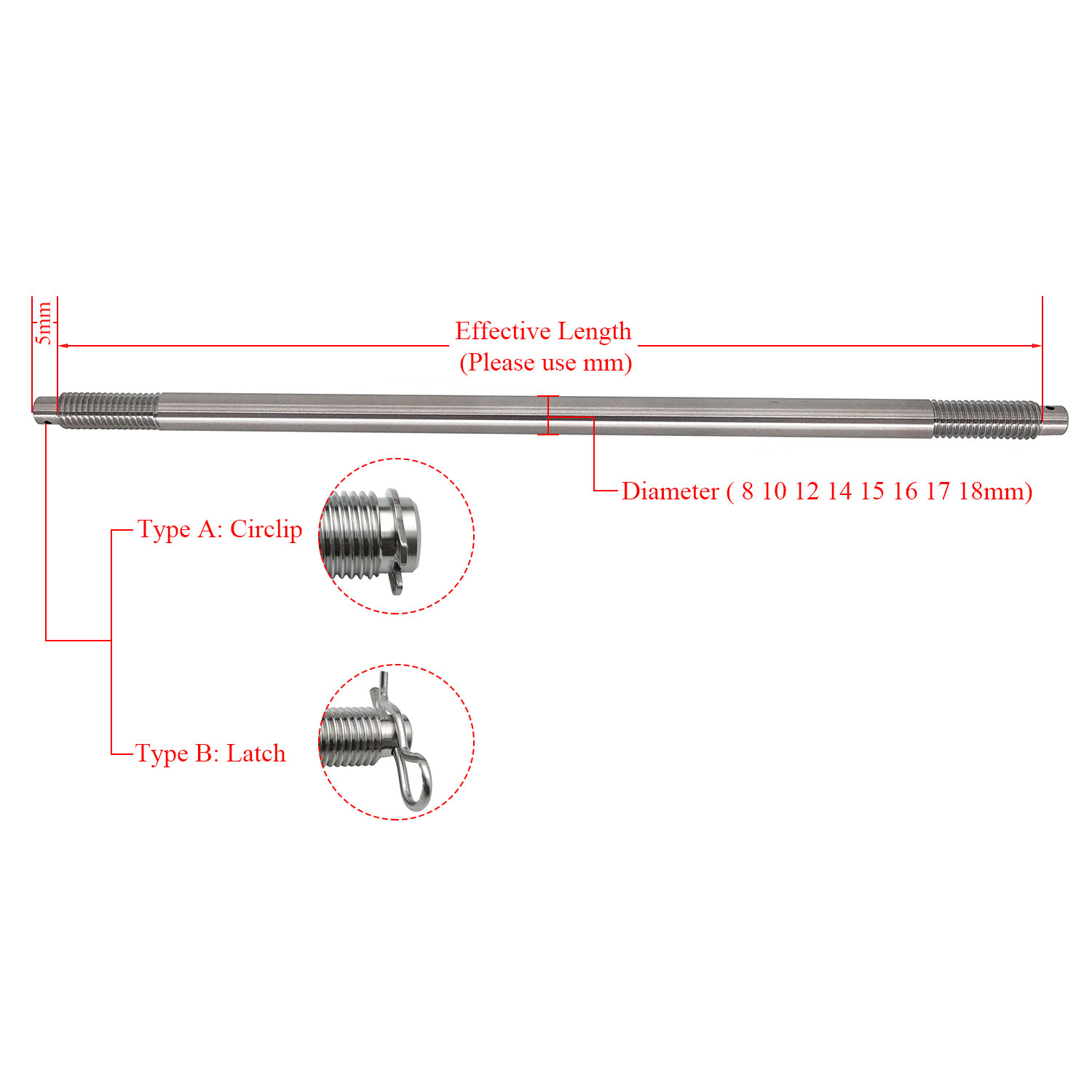
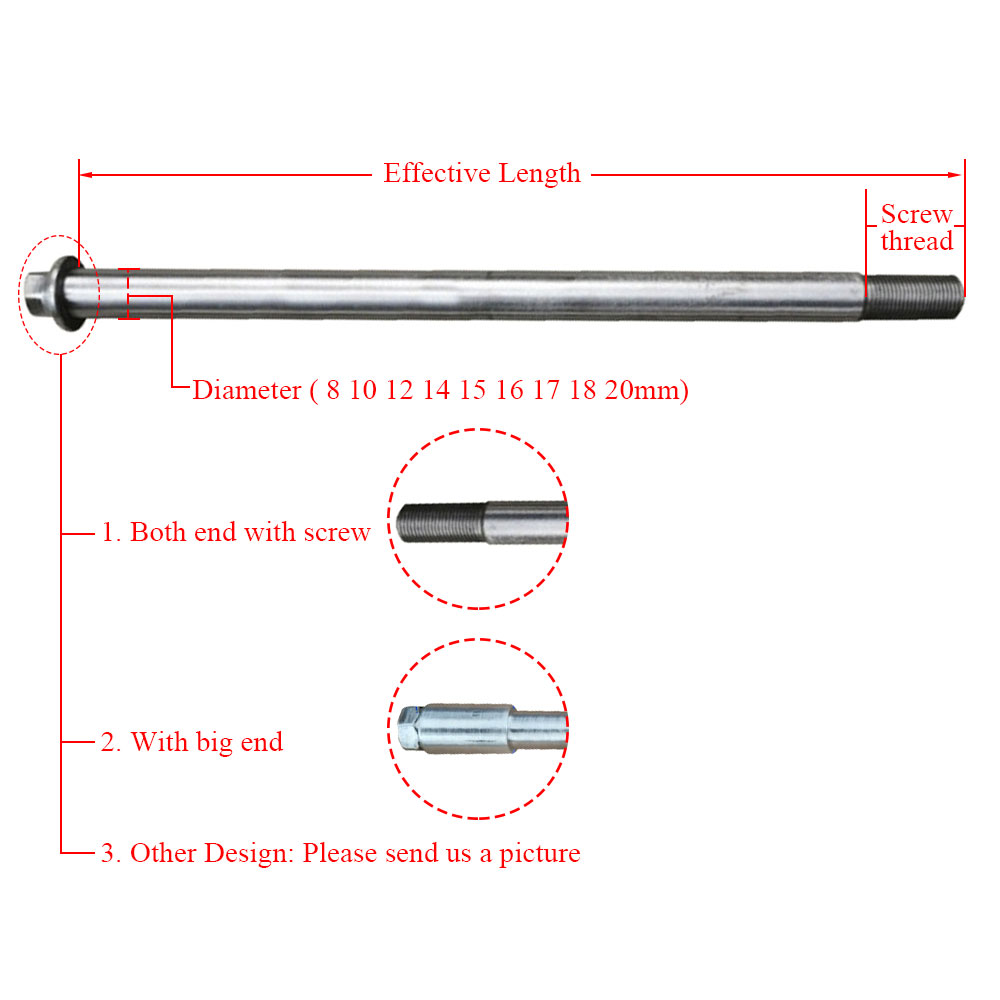
- Length:Customizing the axle length can improve the bike's stability, especially when installing aftermarket wheels or adjusting the wheelbase for a unique look. A longer axle may help distribute weight more evenly, while a shorter axle can create a more agile feel.
- Diameter:A thicker axle typically offers more strength, which is critical for larger bikes or those with high torque engines. Conversely, a thinner axle might be preferable for lighter motorcycles or racing bikes, where speed and agility are prioritized.
Tip: Always ensure that the axle size matches the design and specifications of your motorcycle to prevent misalignment and premature wear.
3. The Role of Material in Motorcycle Axles
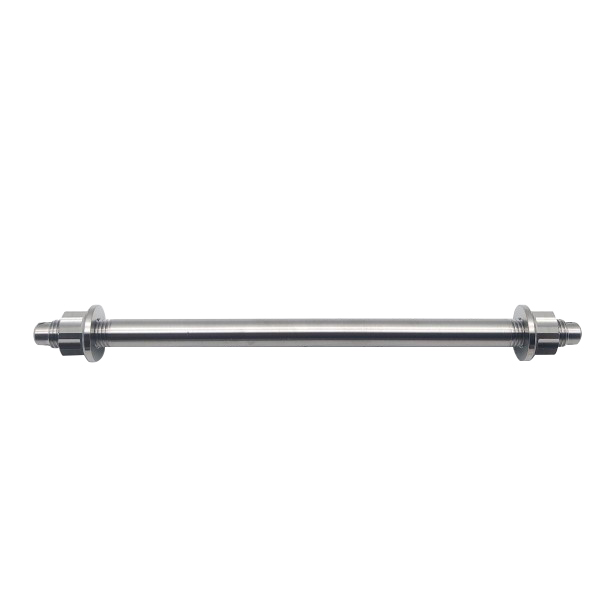
Motorcycle axles are made from a variety of materials, each offering unique benefits. Customizing the material of your axle can enhance strength, durability, and weight. Common materials include:
- Steel:Steel is the most commonly used material for motorcycle axles. It provides excellent strength and durability, making it ideal for most motorcycle types. However, steel axles can be heavy, which may affect performance in high-speed or off-road riding.
- Aluminum:Lightweight and corrosion-resistant, aluminum axles are often used in performance motorcycles, racing bikes, and custom builds. They offer reduced weight without sacrificing too much strength but may be more prone to bending under extreme loads.
- Titanium:Known for its incredible strength-to-weight ratio, titanium is an excellent choice for high-performance motorcycles and professional racing. Titanium axles are both lightweight and strong, though they can be more expensive.
Tip: The choice of material should be based on the bike’s intended use. If you need to balance weight and strength, aluminum or titanium may be the best option. For general use, steel is a reliable and cost-effective material.
4. The Functionality of Custom Axles
Custom axles are not only about size and material—they also serve specific functions that can enhance your motorcycle’s capabilities. Some of the key features to consider when customizing your axle include:
- Adjustable Axles:Some axles come with adjustable designs, allowing for fine-tuning of wheel alignment or the wheelbase. These are particularly useful for bikes used in racing or for riders who frequently change the bike’s setup.
- Integrated Brake and Suspension Components:Modern motorcycle axles often integrate with brake rotors and suspension systems. This can reduce weight and improve handling. Custom axles can be tailored to fit specific suspension systems for better performance on both road and off-road terrain.
- Axle Nuts and Bolts:Don’t overlook the nuts and bolts that secure the axle. Custom axle nuts and bolts can ensure tighter tolerances and better performance. They can also be designed to match the overall aesthetic of your custom build.
5. Choosing the Right Axle for Your Custom Motorcycle
When customizing your motorcycle axle, it’s important to consider how the axle works in harmony with other components of your bike. Pay attention to:
- Compatibility:Ensure that the axle is compatible with your frame, wheels, and suspension. This will prevent unnecessary modifications and ensure a proper fit.
- Riding Style:Are you building a cruiser, a sportbike, or an off-road motorcycle? Your riding style plays a significant role in choosing the right axle. Consider factors like durability, weight, and strength.
- Aesthetic Appeal:Custom axles can enhance the overall look of your bike. Whether you want a polished chrome finish or a sleek matte black, there are plenty of customization options to suit your style.
6. Conclusion
Customizing the size, material, and function of your motorcycle axle can have a significant impact on your bike’s performance, handling, and overall aesthetic. By selecting the right axle, tailored to your needs and riding style, you can elevate your motorcycle to the next level. Whether you're building a custom motorcycle or upgrading an existing one, investing in quality, well-designed axles will enhance your riding experience.
Ready to upgrade your motorcycle with a custom axle? Browse our wide range of high-quality, customizable motorcycle axles and find the perfect fit for your bike. Our collection includes options for all types of motorcycles, from cafe racer to sportbikes, ensuring that you get the best performance, durability, and style.